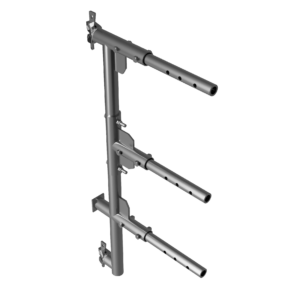
Item No. 01BA7845G
Steel | Hot Dip Galvanized (HDG) | 33.62 lbs | 15.25 kg | Ring System | Roof System
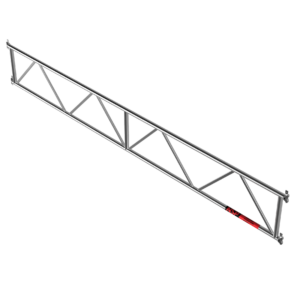
Item No. 01RLG000G
Steel | Hot Dip Galvanized (HDG) | *See Product Specifications Sheet | Ring System | Ledger Head Attachments
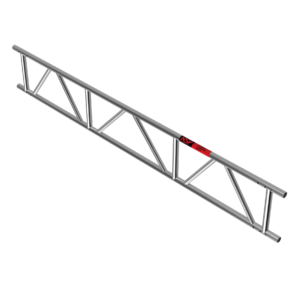
Item No. 08AB0000A
Aluminum | *See Product Specifications Sheet | Temporary Roof System
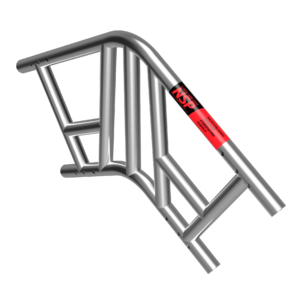
Item No. 08DB7800A
Aluminum | *See Product Specfications Sheet | Temporary Roof System | Keder Track & Sheeting Compatibility
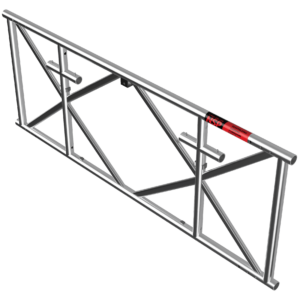
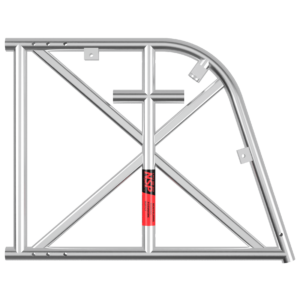
Item No. 08DDEB18A
Aluminum | 20.1lbs / 9.1kgs | Temporary Roof System | Keder Track & Sheeting Compatibility
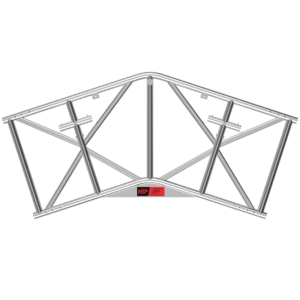
Item No. 08DDRB00A
Aluminum | *See Product Specifications Sheet | Temporary Roof System | Keder Track & Sheeting Compatibility
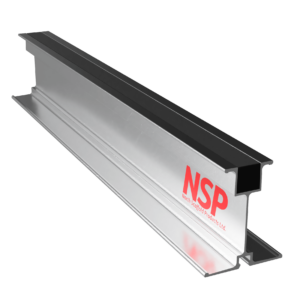
Item No. 09AST6500
Aluminum | *See Product Specifications Sheet | Specialty Items | Plastic Nailer
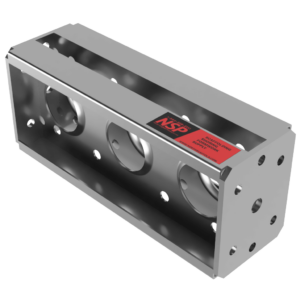
Item No. 09PRB000
Steel | Hot Dip Galvanized (HDG) | See Product Specifications Sheet | Specialty Items
Beams and trusses are essential components in scaffold systems where increased span capacity, overhead clearance, or structural support is required. Commonly used across commercial construction, industrial maintenance, infrastructure projects, and temporary access systems, these components help contractors create stable and adaptable scaffold configurations in challenging environments.
In many applications, standard scaffold bays are not sufficient to bridge wide openings or support work areas with limited ground access. This is where beams and trusses provide a practical solution. By allowing longer unsupported spans, they help crews maintain safe access around entrances, equipment, roadways, and operational work zones without interrupting site activity.
One of the most common applications involves roof beams and trusses used in temporary roofing systems and weather protection structures. These systems are especially important in regions exposed to rain, snow, or harsh environmental conditions where ongoing work must continue without delays. Properly configured roof beams and trusses provide the structural support needed for temporary coverings while maintaining stability under environmental loads.
Material selection is an important consideration when choosing scaffold support components. Aluminum lattice designs are frequently used because they offer a strong strength-to-weight ratio, making transportation, assembly, and repositioning more manageable on active job sites. Reduced component weight can also help improve installation efficiency and minimize handling strain for crews working at height.
Project requirements often vary significantly depending on the structure, span distance, and load conditions involved. Selecting the correct beams and trusses requires careful evaluation of load capacity, support points, and integration with the overall scaffold system. Compatibility with existing scaffold components and compliance with applicable CSA and OSHA standards should always be verified before installation.
Key considerations when using beams and trusses:
Well-designed scaffold support systems using beams and trusses help improve access, maintain site productivity, and support safer working conditions across a wide range of construction and industrial applications. For projects requiring overhead clearance, temporary roofing, or extended spans, roof beams and trusses provide the flexibility and structural support needed to keep operations moving efficiently.
Beams and trusses are used to span large openings, support temporary roofs, and increase load capacity in complex scaffolding structures. They are essential for stability and long-span coverage.
Use roof beams and trusses when you need to cover large spans, create overhead protection, or increase support in high-load areas such as temporary roofing systems or suspended platforms.
Yes. All beams and trusses supplied by North Scaffold Products meet or exceed CSA and OHSA safety standards required for use on Canadian job sites.
A beam is a single structural member used to carry loads across a span, while a truss is a triangulated structure that distributes the weight more efficiently across larger distances. In scaffolding, both a beam and a truss are commonly used to refer to the same products.
Aluminum lattice beams are lightweight yet strong, making them ideal for applications where weight reduction and ease of handling are priorities – especially in elevated or mobile structures.