For more information, visit the Roof System information page Here:

5 product(s) found

Fillers

Improve Platform Safety with Corner Fillers

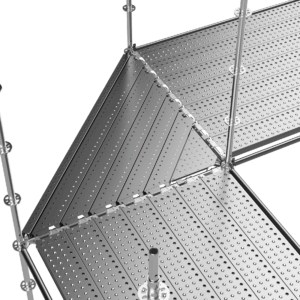
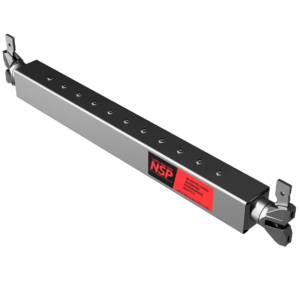
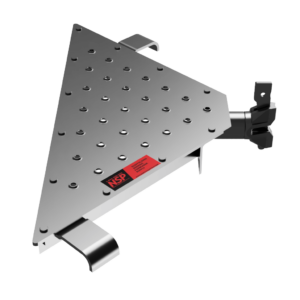
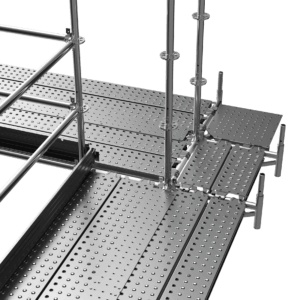
Corner fillers are an important component in scaffold decking systems, helping create safer and more complete working platforms in areas where standard planks or decks leave open gaps. Commonly used in tube and clamp, ringlock, and modular scaffold systems, corner fillers improve platform coverage around corners, irregular layouts, and access points where maintaining a continuous work surface is critical.

On construction and industrial job sites, gaps in scaffold platforms can create unnecessary safety hazards for workers and equipment. Corner fillers are designed to close these openings, reducing the risk of dropped tools, missteps, and unstable footing. By improving platform continuity, they help crews move more safely and efficiently throughout the scaffold structure.

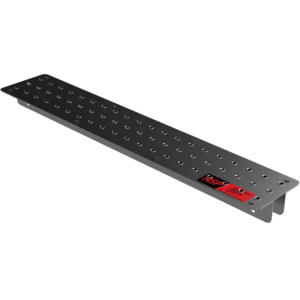
Compatibility is a major consideration when selecting corner fillers. These components are commonly used alongside steel planks, scaffold decks, and other decking products to create secure transitions between sections. Proper fitment helps maintain consistent platform support while ensuring the overall scaffold system performs as intended under load.

One of the key benefits of corner fillers is their ability to support non-standard scaffold layouts. Industrial facilities, infrastructure projects, and complex building designs often require scaffold configurations that extend beyond simple straight runs. In these situations, corner fillers allow contractors to safely adapt platforms around structural obstacles, curved sections, or confined work areas without leaving exposed gaps.

Read More

Durability is also essential in demanding environments where scaffold components are exposed to weather, heavy traffic, and repeated use. High-quality corner fillers are manufactured from strong materials designed to handle daily site conditions while maintaining reliable performance over time. Regular inspection remains important to ensure components remain free from damage, excessive wear, or deformation.

Key considerations when using corner fillers:

  • Ensure compatibility with existing scaffold decks and planks
  • Use corner fillers to reduce open gaps on work platforms
  • Inspect regularly for wear, damage, or improper fitment
  • Confirm proper installation before worker access
  • Follow applicable CSA and OSHA safety requirements

Well-planned scaffold decking systems rely on more than standard planks alone. By incorporating corner fillers into platform layouts, contractors can improve worker safety, maintain better access across scaffold structures, and support more efficient operations on complex construction and industrial projects.

Frequently Asked Questions

Corner fillers are used to close the gaps at right-angle intersections in scaffold decking layouts. They provide a stable, continuous platform by filling in open corners where standard planks cannot meet, improving safety and reducing trip hazards.

Yes. North Scaffold’s corner fillers are designed for seamless integration with our full range of steel planks, hatch decks, and platform components. They ensure tight, secure fits across multiple scaffold configurations.

Absolutely. Corner fillers are essential for custom or complex scaffold designs where 90-degree angles or irregular shapes create open decking areas. They help ensure a complete, walkable surface in non-standard configurations.

North Scaffold provides corner fillers in standard fixed dimensions that align with common scaffold plank widths. Custom sizes or configurations may be available upon request for specialized projects.

By eliminating exposed gaps at platform corners, corner fillers reduce the risk of trips, slips, and dropped tools. They contribute to a uniform walking surface, which is critical for worker safety on elevated platforms, especially in high-traffic zones.

Want to see some of our projects?

Climate Protection

Climate Protection

Large Restoration

Large Scale Restoration

Commercial Access

Commercial Access

Industrial Access

Industrial Access